When it comes to protecting your valuable sports cards, penny sleeves are your first line of defense. Whether you’re a seasoned collector or just starting your hobby, using the right penny sleeves can make all the difference between preserving your collection’s mint condition and watching it degrade over time.
This guide breaks down everything you need to know about penny sleeves — what they are, why they matter, how to choose the right ones, and which brands are trusted by collectors in the U.S. market.
What Are Penny Sleeves?
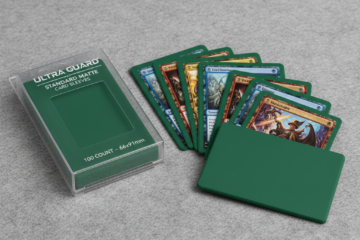
Penny sleeves, often called soft card sleeves, are thin, clear plastic covers designed to protect sports and trading cards from scratches, dust, fingerprints, and general wear. The term “penny sleeve” comes from their affordability — originally, they cost around one cent each.
Most modern penny sleeves are made from polypropylene (PP) plastic, which is acid-free and PVC-free to ensure your cards remain safe over time. They’re the most economical and essential protective layer for any collector’s storage system.
Why Penny Sleeves Are Important
Even if you store your cards in boxes or binders, unprotected cards can suffer from:
- Surface scratches during handling or stacking
- Fading or discoloration from UV exposure
- Oil and residue from fingerprints
- Bending or corner wear when cards rub against each other
Penny sleeves prevent most of these issues by creating a thin but effective barrier around each card. They are ideal for sports cards like baseball, basketball, football, and hockey — whether vintage or modern — and also great for trading card games.
Key Features to Look For in the Best Penny Sleeves
Choosing the right sleeve isn’t just about grabbing the cheapest pack. Here are the most important factors to consider before you buy.
1. Material Quality
Always look for sleeves that are acid-free and PVC-free.
PVC can release chemicals that discolor cards and make them stick to the sleeve over time. Polypropylene (PP) is the preferred material because it’s safe, clear, and durable.
2. Clarity
High-quality sleeves should be ultra-clear. Some cheaper sleeves have a milky or cloudy appearance, which can dull the vibrant colors of your cards.
If you plan to display, trade, or photograph your cards, crystal-clear sleeves will show them off beautifully.
3. Size Compatibility
Most sports cards are 2.5 x 3.5 inches, the standard trading card size.
Your sleeve should be slightly larger — typically 2-5/8 x 3-5/8 inches — to allow easy card insertion without bending or damaging corners. For thicker cards (memorabilia or patch cards), look for larger or “oversized” penny sleeves.
4. Thickness
The standard penny sleeve thickness ranges between 40 and 60 microns.
- 40–50 microns: Ideal for common cards and bulk storage.
- 60 microns or higher: Better durability and clarity for higher-value cards.
While thicker sleeves offer more protection, they may take up more space in boxes or binders.
5. Durability and Seams
Inspect the sleeve seams — poorly sealed edges can split when inserting cards. Premium sleeves use heat-sealed seams that prevent tearing and hold shape over time.
6. Archival Safety
For long-term storage, make sure the sleeve is labeled archival-safe. This ensures no chemicals will leach into the card surface even after years of use.
Top Recommended Penny Sleeves in the U.S.
Here are some popular and reliable penny sleeve options that American collectors trust:
1. Ultra PRO Penny Sleeves
Ultra PRO is one of the most recognized brands in the hobby world.
Their standard sleeves are acid-free, PVC-free, and ultra-clear. They fit standard-size cards perfectly and are available in affordable 100-count packs. Ideal for collectors who want consistent quality and clarity.
2. TitanShield Soft Sleeves
TitanShield’s sleeves are slightly thicker (around 60 microns) and offer extra durability for valuable cards. The ultra-clear material enhances presentation while maintaining a snug fit. They’re great for collectors who handle their cards often.
3. BCW Soft Card Sleeves
BCW sleeves are known for being budget-friendly yet reliable. They fit standard sports cards easily and come in bulk quantities — perfect for collectors with thousands of cards to protect. The clarity is decent, though not as high as premium options.
4. Cardboard Gold Soft Sleeves
Cardboard Gold focuses on collector-grade materials. Their sleeves are crystal clear, snug, and perfectly compatible with top loaders and semi-rigids. They’re also made with archival-safe polypropylene for long-term storage.
5. Dragon Shield Perfect Fit Sleeves
Although slightly more expensive, Dragon Shield sleeves offer unmatched protection. They’re ideal for double-sleeving — first a perfect fit sleeve, then a penny sleeve or rigid holder. These are great for high-value or graded cards.
How to Use Penny Sleeves Properly
Even the best sleeve won’t help if it’s used incorrectly. Here’s the right way to insert and store your cards:
- Wash your hands before handling. Oils and dirt can easily transfer onto cards.
- Hold the sleeve open gently using two fingers.
- Slide the card in slowly from one corner to avoid catching the edges.
- Never force thick cards into standard sleeves — use oversized ones instead.
- For valuable cards, double-sleeve them. First, insert the card into a perfect-fit sleeve, then into a penny sleeve.
- Store sleeved cards upright in storage boxes or top loaders to prevent bending.
- Keep them away from direct sunlight and humidity, as moisture and UV light can damage both the sleeve and card.
Common Mistakes to Avoid
Even experienced collectors make simple errors. Avoid these common penny sleeve mistakes:
- Using PVC sleeves: These can discolor or ruin cards over time.
- Buying sleeves that are too tight: This can bend card corners or scratch surfaces.
- Using low-quality sleeves: Cheap sleeves may tear, cloud, or yellow quickly.
- Not replacing old sleeves: Over time, even safe plastic can degrade. Replace sleeves every few years for the best protection.
- Handling cards without sleeves: Even one drop or fingerprint can devalue a collectible card significantly.
Penny Sleeves vs. Other Card Protection Options
Penny sleeves are just one part of the protection hierarchy. Here’s how they compare to other card protectors:
| Type | Protection Level | Use Case |
|---|---|---|
| Penny Sleeves | Basic | Everyday protection and storage |
| Toploaders | Moderate | Rigid protection for mailing, display, or resale |
| Semi-Rigid Holders | Moderate to High | Ideal for grading submissions |
| Magnetic Holders | High | Premium display protection |
| Graded Slabs | Ultimate | Encased cards sealed by grading services |
For the best results, most collectors combine penny sleeves with other protection layers. For example, a card inside a penny sleeve placed inside a toploader provides both flexibility and rigidity.
How Many Penny Sleeves Do You Need?
That depends on your collection size and handling habits.
- Casual collectors with a few hundred cards can get by with a few 100-count packs.
- Dedicated collectors or resellers might need bulk 1000-count sleeves to keep costs down.
Remember, penny sleeves are affordable — but your cards may be priceless. It’s better to buy more than you need than to risk damaging valuable collectibles.
Storing and Maintaining Your Sleeved Cards
Here are a few tips to maintain your sleeved cards over time:
- Use storage boxes made for trading cards.
- Label boxes for easy organization.
- Avoid extreme temperatures, as heat can warp sleeves and cards.
- Replace sleeves periodically, especially if they yellow or stretch.
- Keep cards off the floor and away from sunlight or moisture sources.
Properly stored and sleeved cards can retain their condition — and value — for decades.
Final Thoughts on Choosing the Best Penny Sleeves
Finding the best penny sleeves for sports cards is about balancing price, protection, and performance. You don’t need to overspend to keep your cards safe, but investing in archival-quality, clear, and durable sleeves will save you from costly damage in the long run.
Here’s a quick summary:
- Always choose acid-free, PVC-free materials.
- Prioritize clarity and thickness for visibility and durability.
- Use oversized sleeves for thicker cards.
- Replace sleeves periodically for optimal protection.
Conclusion:
If you’re looking for premium-grade sleeves and card protection accessories that meet the highest U.S. collector standards, Prismatic Defender is your trusted choice. Their products are crafted for collectors who value clarity, durability, and longevity — ensuring your sports cards remain pristine for years.